Collected interiors1 min read
Poul Henningsen’s PH Artichoke, Seventy-Two Copper Leaves Around a Hidden Bulb
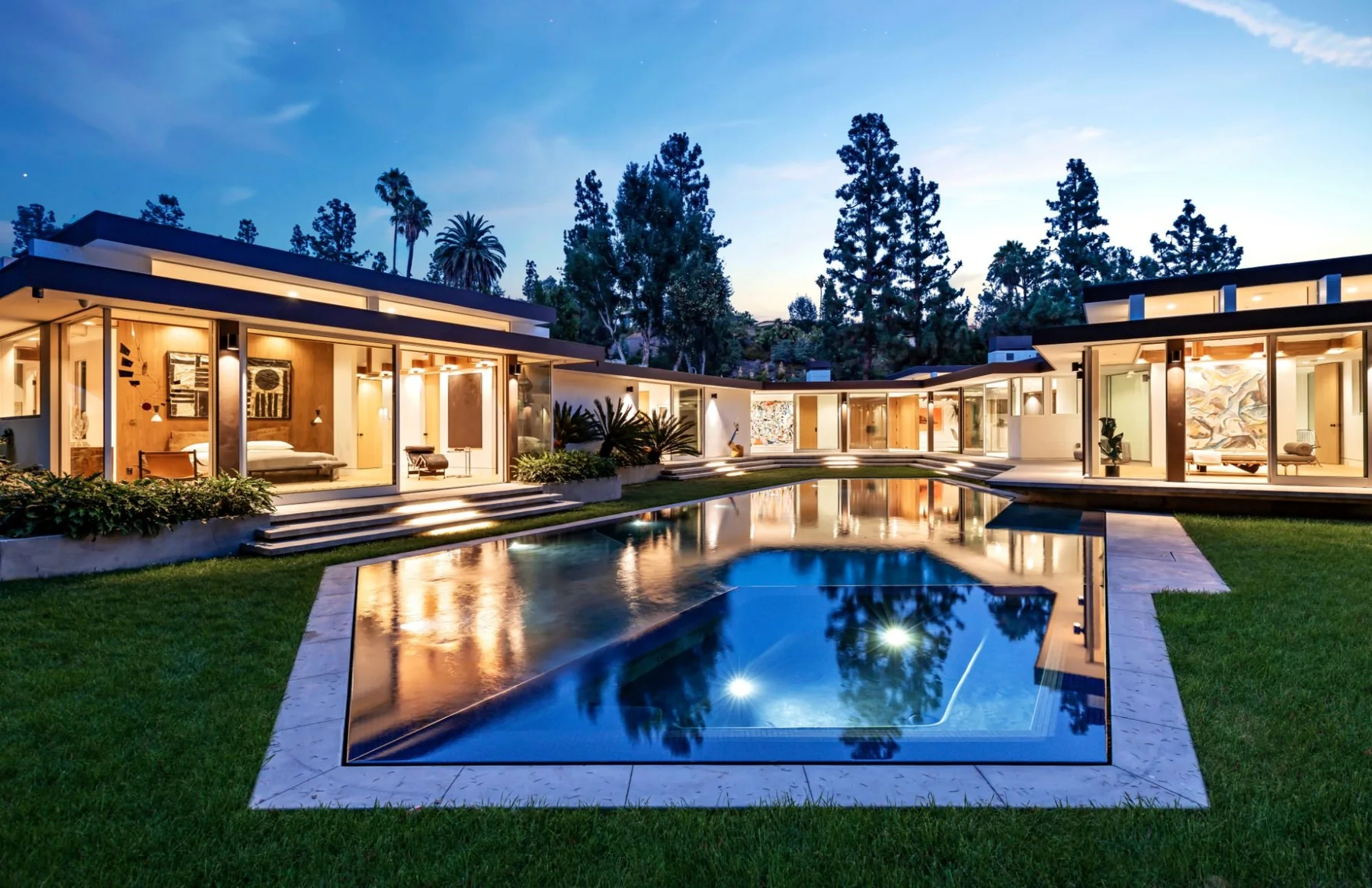
Poul Henningsen designed the PH Artichoke in 1958 for a Copenhagen restaurant, where it still hangs. Two copper ones hang at Loma Vista, a 1959 house in Beverly Hills.
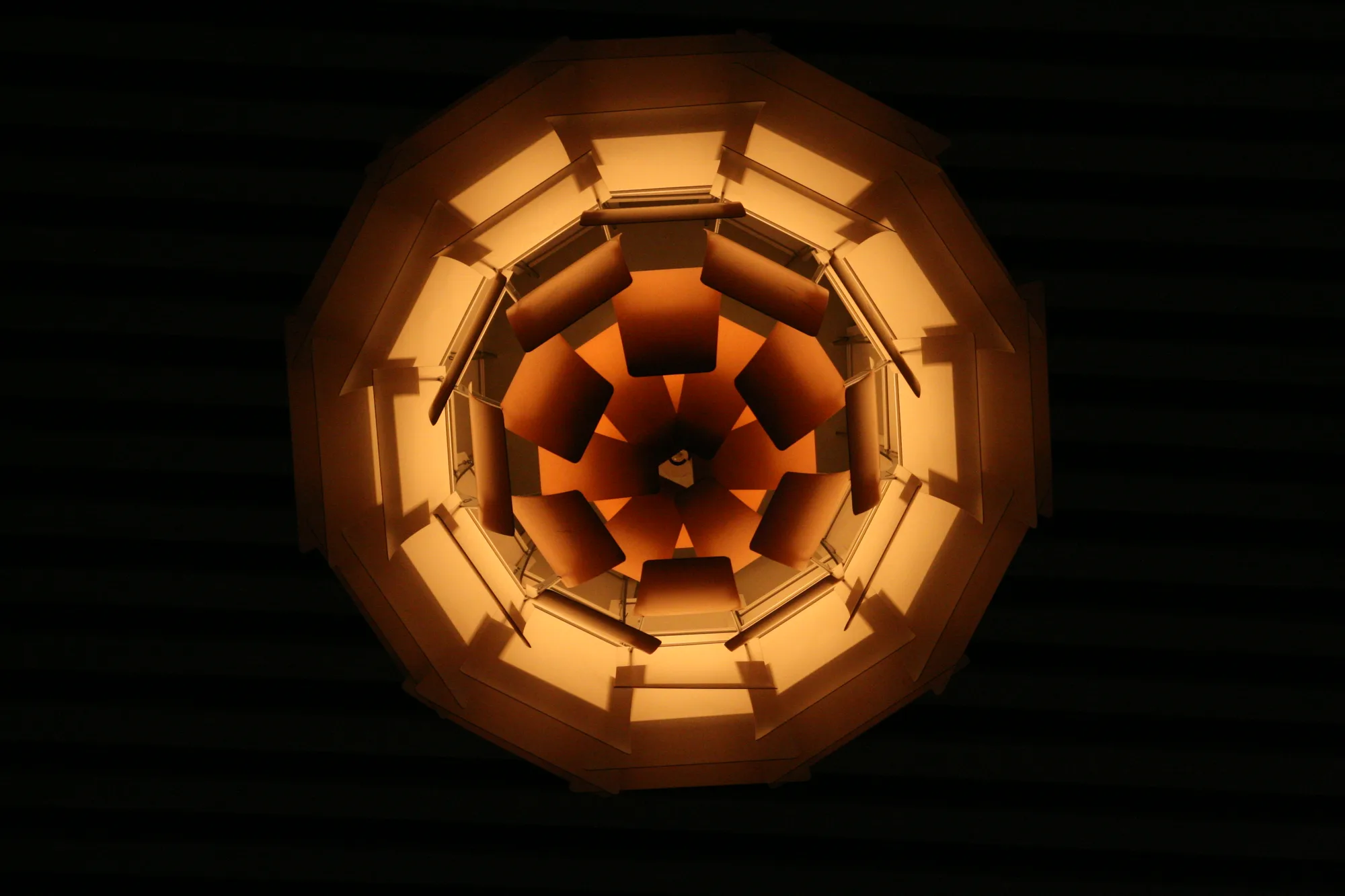
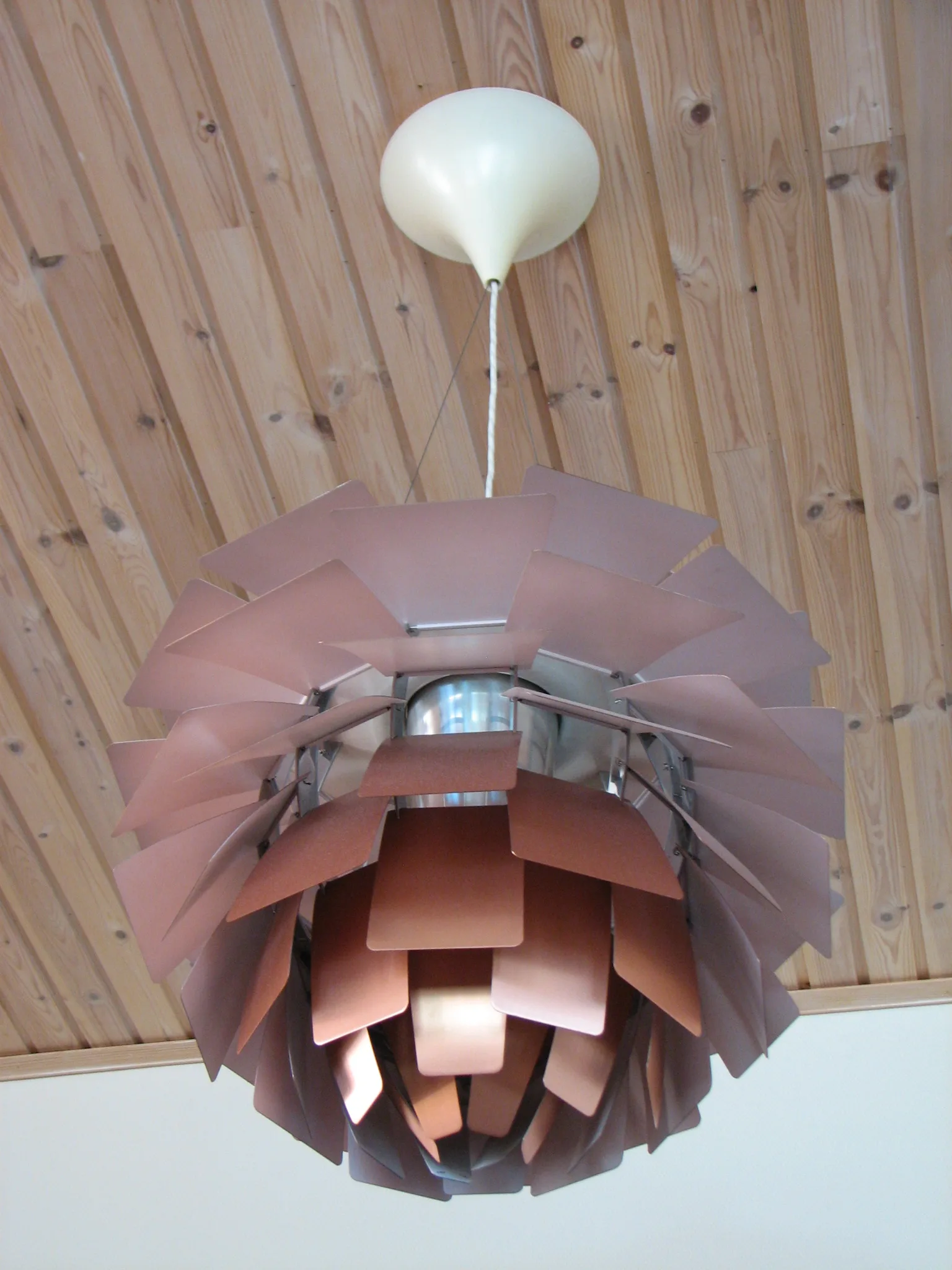
In 1958 Poul Henningsen hid a light bulb inside 72 copper leaves for a Copenhagen restaurant, so that its light would reach the room without glare from any angle.
An Architect Without a Degree
Henningsen was born in Copenhagen, the son of Agnes Henningsen. Louis Poulsen, the company that has made his lamps since the 1920s, notes that “he never graduated as an architect.” He studied at technical schools in Frederiksberg and Copenhagen before turning to lighting.
In 1925 and 1926 he developed the PH three-shade system: stacked shades sized and curved so that each one catches the light reflected by the one above it and sends it softly down, while the bulb itself stays hidden. Every PH lamp since is a variation on that idea. He worked with Louis Poulsen until his death in 1967.
The Langelinie Pavilion, 1958
The Artichoke was a commission. Louis Poulsen records that it was designed in 1958 “for the Langelinie Pavillonen restaurant in Copenhagen, where it still hangs today.”
Henningsen’s answer was to multiply the shades into leaves. In Louis Poulsen’s words, “72 precisely positioned leaves form 12 unique rows of six leaves each,” giving “totally glare-free light from any angle.”
The first Artichoke, Louis Poulsen notes, was copper with pale rose inside, so that the light it gave off was warm. It is still made, its leaves set by hand, in copper, brass and stainless steel.
Copper Under Walnut
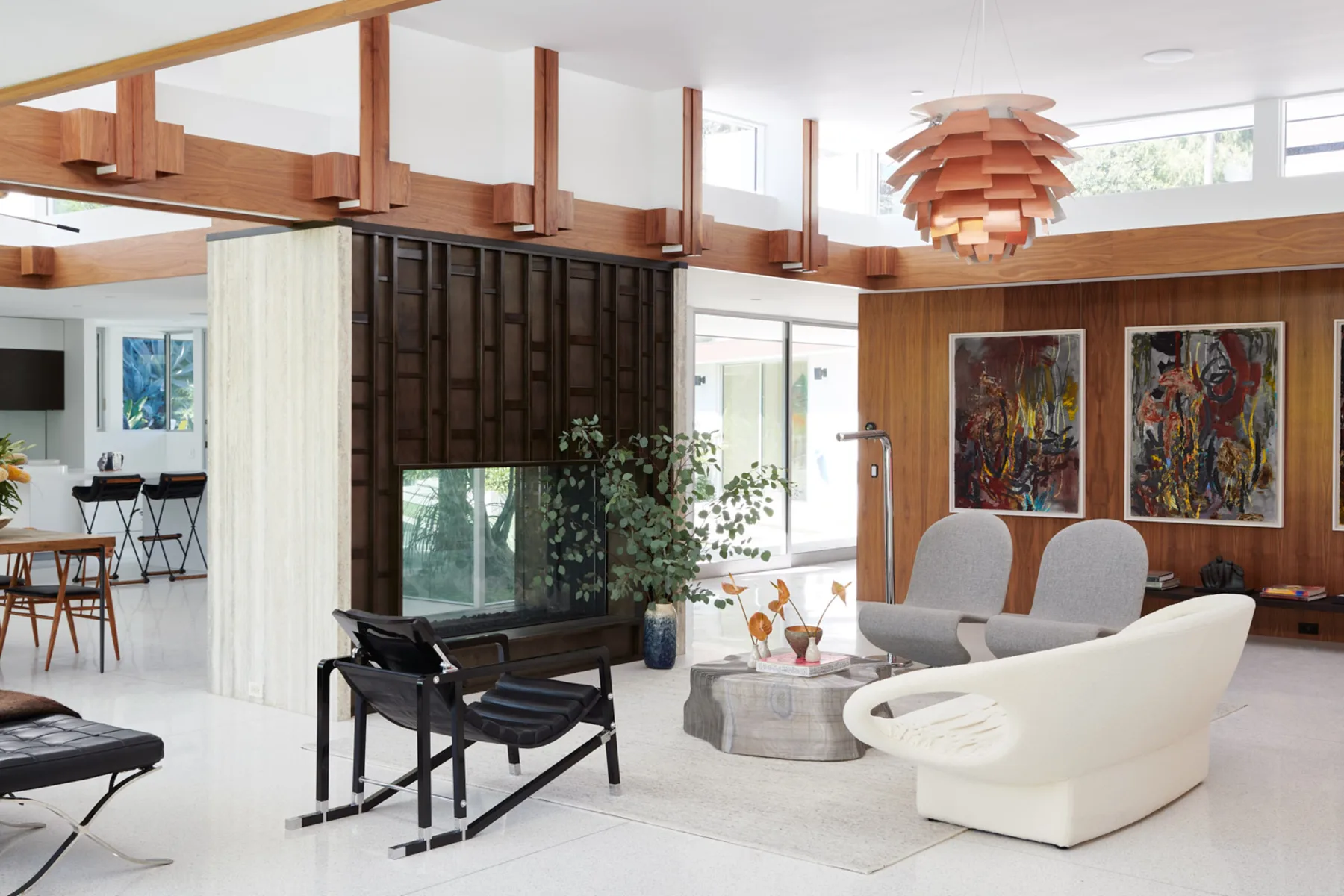
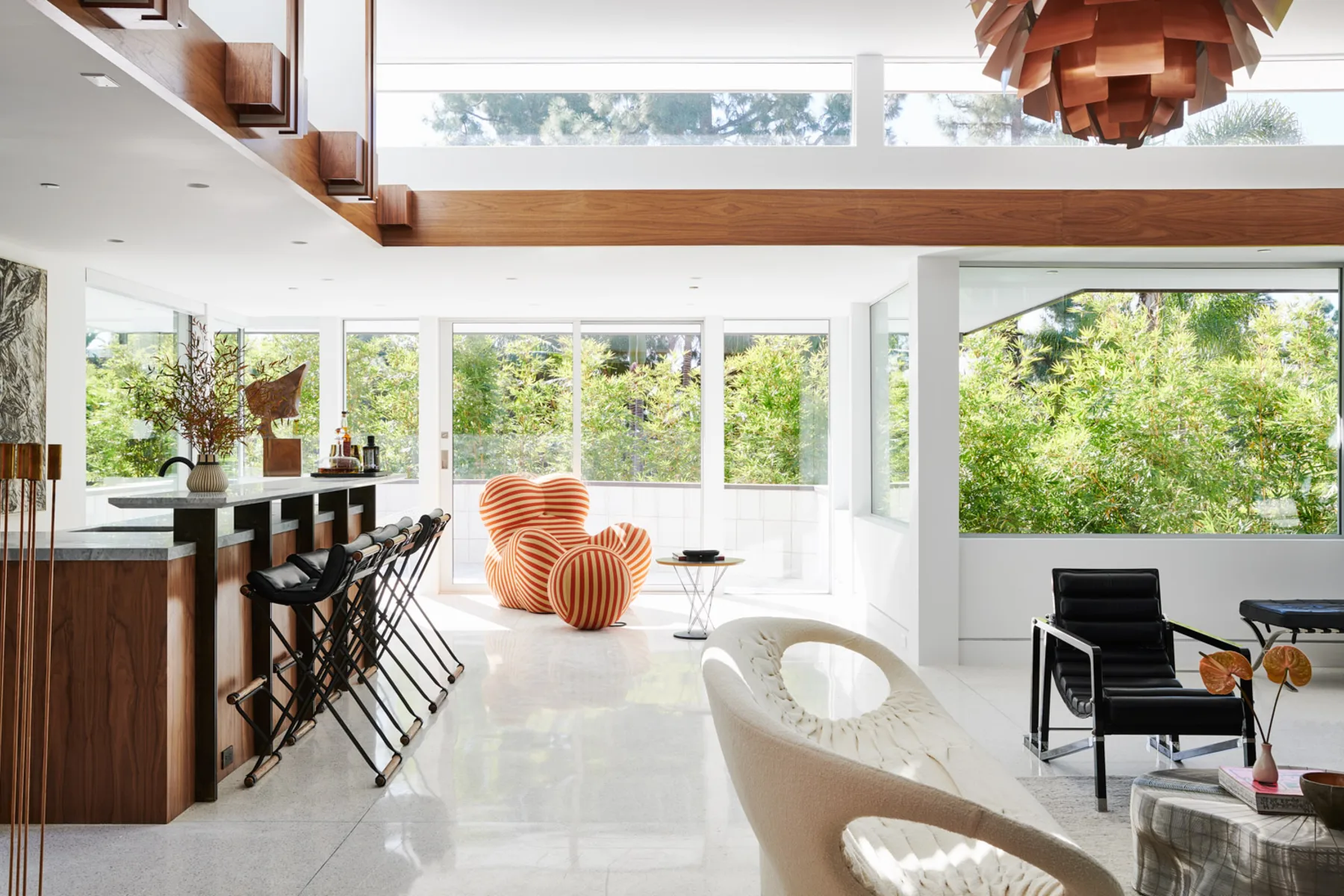
At Loma Vista in Beverly Hills, a 1959 house that Tim Campbell’s firm renovated and extended with Philippe Naouri, one copper PH Artichoke hangs in the living room under the walnut beams and another over the great-room bar.
Sources
- PH Artichoke (opens in a new tab), Louis Poulsen
- PH Artichoke anniversary edition (opens in a new tab), Louis Poulsen
- PH 2/1 Pendant (opens in a new tab), Louis Poulsen
- The Interior (opens in a new tab), Philippe Naouri Studio